← Back to knowledge

The Knowledge Corner

Recommended content (books, magazines and more…)

I've read every one of them and learned something from each, some out of necessity, others out of curiosity or interest. I recommend them either way. (I keep adding more as I go through my library 😉)

La Biblia de Liderazgo de Maxwell

La Biblia de Liderazgo de Maxwell

by John C. Maxwell

A unique Bible, focusing on a leadership approach based on biblical principles. An interesting read, though—in my opinion—not one to be read like a traditional book or a standard Bible. It provides a solid foundation regarding a leader's principles and values.

How Change Really Works

How Change Really Works

by Julia Dhar, Kristy R. Ellmer, and Philip Jameson

Around 75% of transformations fail, and the rate hasn’t improved in decades. How Change Really Works uses behavioral science to help leaders beat the odds. Organizations that struggle with change typically don’t focus enough on how executives and employees are likely to behave, feel, and think throughout the process and how to create an environment that supports this. The leaders responsible for initiating an organizational change or transformation are, on average, the ones who are most positive about those changes, while the employees on the receiving end see things quite differently. This book brings clarity on these drivers and issues that affect the change. The authors clearly explains with good and simple examples every asepct of the change.

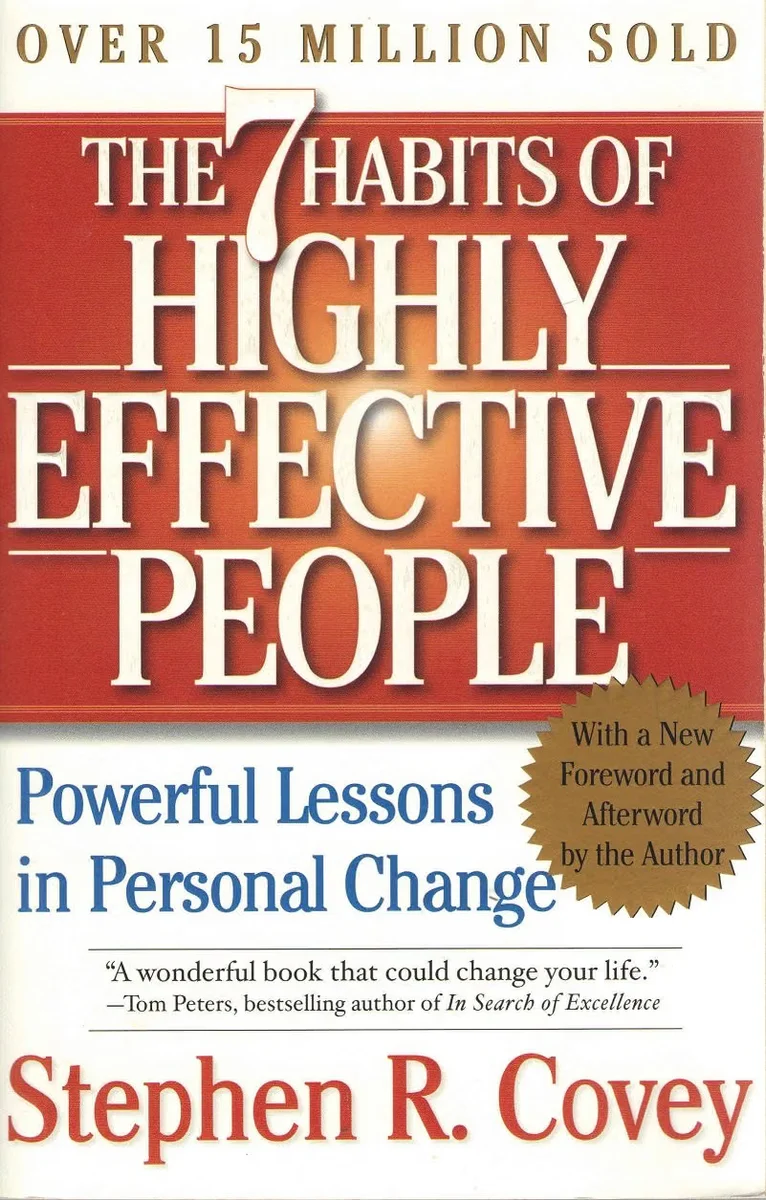
The 7 Habits of Highly Effective People

The 7 Habits of Highly Effective People

by Stephen R. Covey

Covey's “7 Habits of Highly Effective People” is essentially a personal operating system — a classic — for stopping firefighting and running your life on purpose. Covey argues effectiveness doesn't come from hacks but from sustained principles and habits: first you order yourself (proactivity, clarity of purpose, discipline to prioritize what matters), then you scale to the relational layer (win-win agreements, truly listening before imposing, creating synergy), and you close with continuous renewal (so you don't degrade). The promise is strong: internalize this and both productivity and leadership rise, because you build trust and coherence.

Mero Cristianismo

Mero Cristianismo

by C. S. Lewis

C. S. Lewis's “Mere Christianity” is a reasoned defense of “essential” Christianity (what's common to the main Christian traditions), written for a broad audience. Lewis starts from the human experience of a shared moral law — that internal “ought” we use to judge right and wrong — to argue it points to a transcendent source. From there he develops his view of God, why selfishness and moral breakdown disorder us, and how Christian faith proposes real character transformation (virtues, humility, charity) rather than external compliance. This book was a meaningful gift from a colleague I deeply appreciate.

TDAH: Del Caos Mental al Equilibrio

TDAH: Del Caos Mental al Equilibrio

by Elysia Lune

“ADHD: From Mental Chaos to Balance” (Elysia Lune) is a self-help guide for adults with ADHD that turns “mental noise” and hyperactivity/impulsivity into a more stable daily system. It explains accessibly what adult ADHD is (and debunks myths), then grounds it in self-management strategies for organization and time management, techniques to improve focus (Pomodoro, mindfulness), resources to calm activation and impulsivity (breathing, relaxation, visualization), and tools for managing emotions, stress and relationships (communication, conflict resolution, empathy, emotional journaling and self-compassion). A book about my neurodivergent condition couldn't be missing from my library.

Solar Electricity Handbook

Solar Electricity Handbook

by Michael Boxwell

Boxwell's “Solar Electricity Handbook” is a practical guide for understanding, sizing and installing photovoltaic solar systems, both on-grid and off-grid, with a strong focus on calculation and purchasing decisions. It explains the components (panels, regulators, inverters, batteries, protections), how to estimate consumption and production, how to size arrays and storage, and how to avoid typical design mistakes (oversizing, underestimating losses, bad orientation, wrong wiring). It also covers installation, safety and maintenance, with examples and tables that take you from “idea” to “working system”. A direct manual for anyone who wants technical control of their project without depending blindly on the installer. And yes, I'm drawn to designing this kind of system.

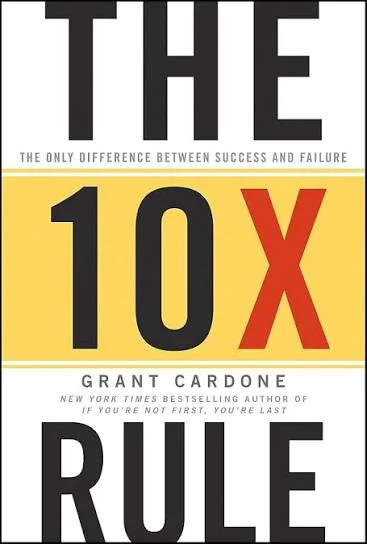
The 10X Rule

The 10X Rule

by Grant Cardone

Cardone's “The 10X Rule” is a mindset-and-execution book with a simple, aggressive idea: if you want extraordinary results, set goals 10× bigger and act with volume and intensity far above what you think reasonable. Cardone argues most people underestimate the real effort required, settle for “normal” plans and therefore get mediocre results. His recipe: obsession with action, daily discipline, sales as a cross-cutting skill, and full ownership of results. Motivational and useful as a kick to raise ambition and pace, but read with judgment: the approach can lead to overload or confuse quantity with strategy without clear priorities, systems and metrics.

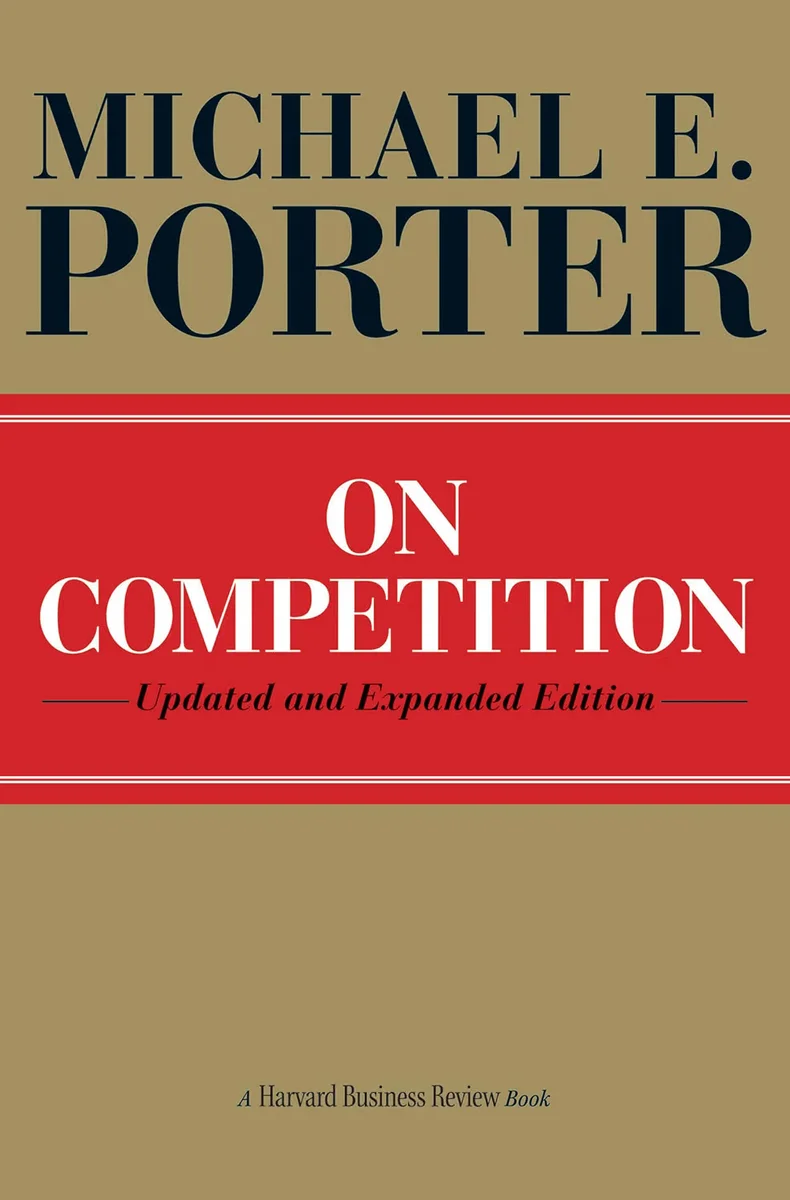
On Competition

On Competition

by Michael E. Porter

Porter's “On Competition” gathers articles and frameworks explaining how to build real competitive advantage and why strategy isn't “being the best” but being different in a sustainable way. The book lands his most influential ideas — Five Forces, the value chain, strategic positioning and trade-offs — to analyze industries, understand structural profitability, choose where to play, and compete without falling into price wars or the “operational effectiveness” trap (doing what others do, only better). The message is tough and still relevant: without a clear positioning and explicit renunciations, you don't have strategy — only activity. A guide for leaders connecting competitive analysis with concrete business decisions, resource allocation and disciplined execution.

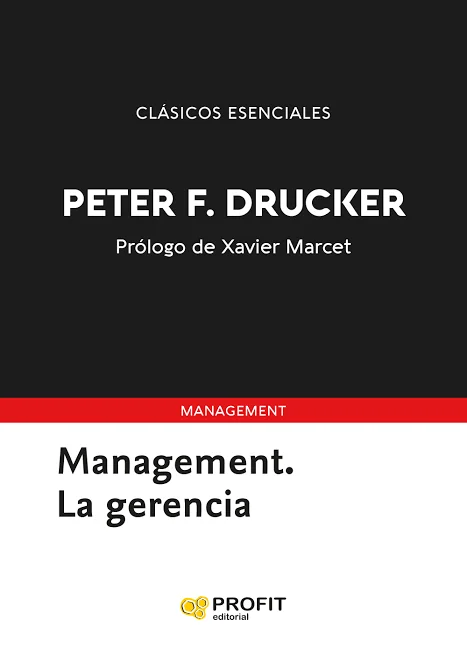
Management

Management

by Peter F. Drucker

Drucker's “Management (Revised Edition)” is a synthesis of the fundamentals of modern management: what it really means to “run” an organization and how to turn resources (people, knowledge, capital) into sustainable results. Drucker frames management as a practical discipline rooted in purpose, responsibility and performance, and covers mission and strategy, decision-making, organizational design, knowledge-worker productivity, innovation, measurement and leadership by objectives. The throughline is that a business exists to create value (customers) and that effective management requires brutal clarity on priorities, consistent execution and a culture that turns information into action. Not a fad — a solid conceptual framework for executives who want to think better, avoid improvisation and professionalize management.

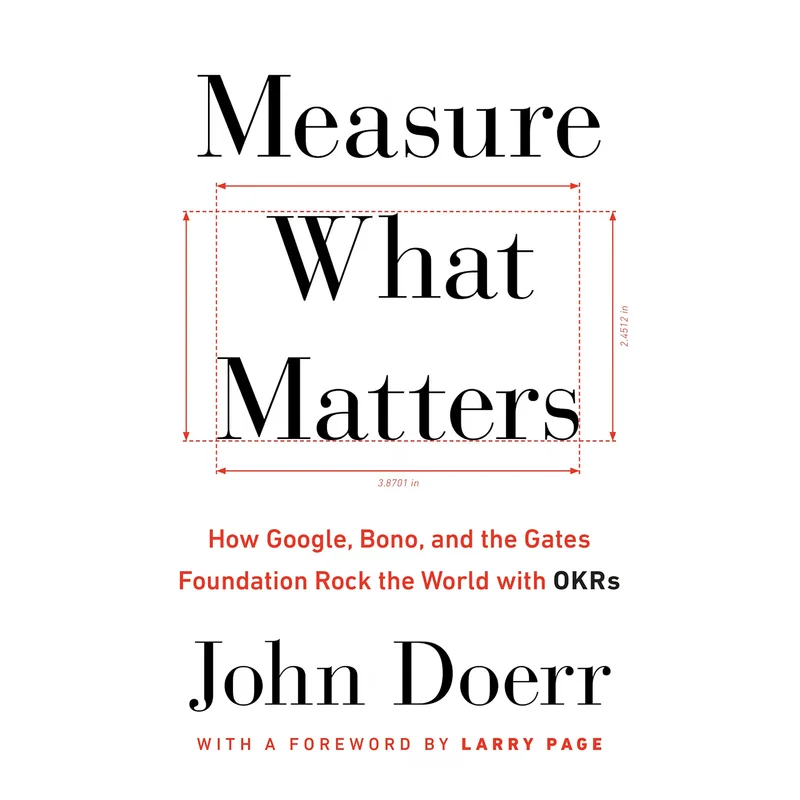
Measure What Matters

Measure What Matters

by John Doerr

Doerr's “Measure What Matters” is a management book that explains and promotes the OKR system (Objectives and Key Results) as a mechanism for executing strategy with focus, alignment and accountability. The central idea is that organizations gain traction when they set ambitious, clear objectives (what we want to achieve) and translate them into measurable key results (how we know we got there), reviewed with cadence, transparency and continuous learning. Doerr shares cases (mostly in tech) showing how OKRs help prioritize, sync teams, accelerate execution and keep day-to-day operations from eating transformation. He stresses OKRs aren't just another KPI set — they're a management operating system combining goals, metrics, follow-up and culture. Ideal for leaders moving from “plans” to results, provided it's implemented with discipline and without turning into bureaucracy.

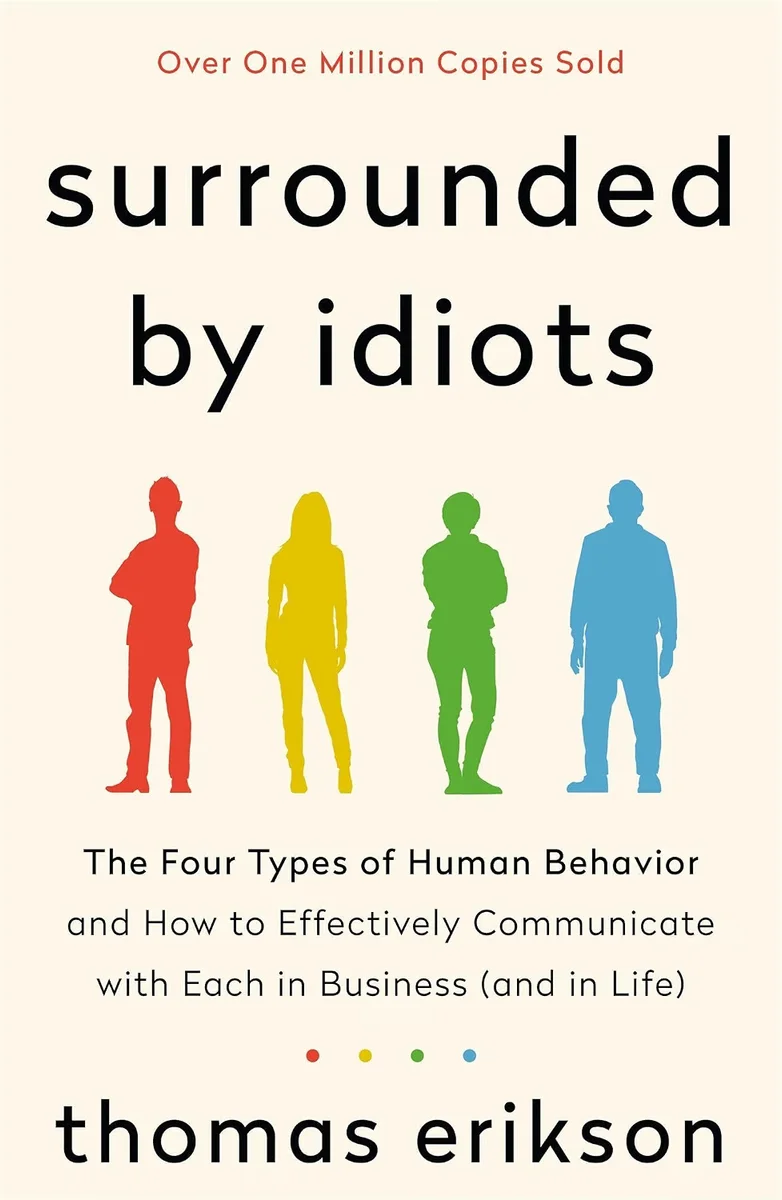
Surrounded by Idiots

Surrounded by Idiots

by Thomas Erikson

Erikson's “Surrounded by Idiots” is a popular book on communication and relationships at work (and in life) that popularizes a four-behavior-style model, usually labeled by colors (red, yellow, green and blue), to explain why some people seem “difficult” and how to adapt the way you speak, persuade and resolve friction with less wear. The core idea is that many conflicts don't come from bad intent but from differences in pace, focus, need for data, emotion and risk tolerance. Practical and easy to read, but best taken as an orienting frame, not a scientific diagnosis or rigid label.

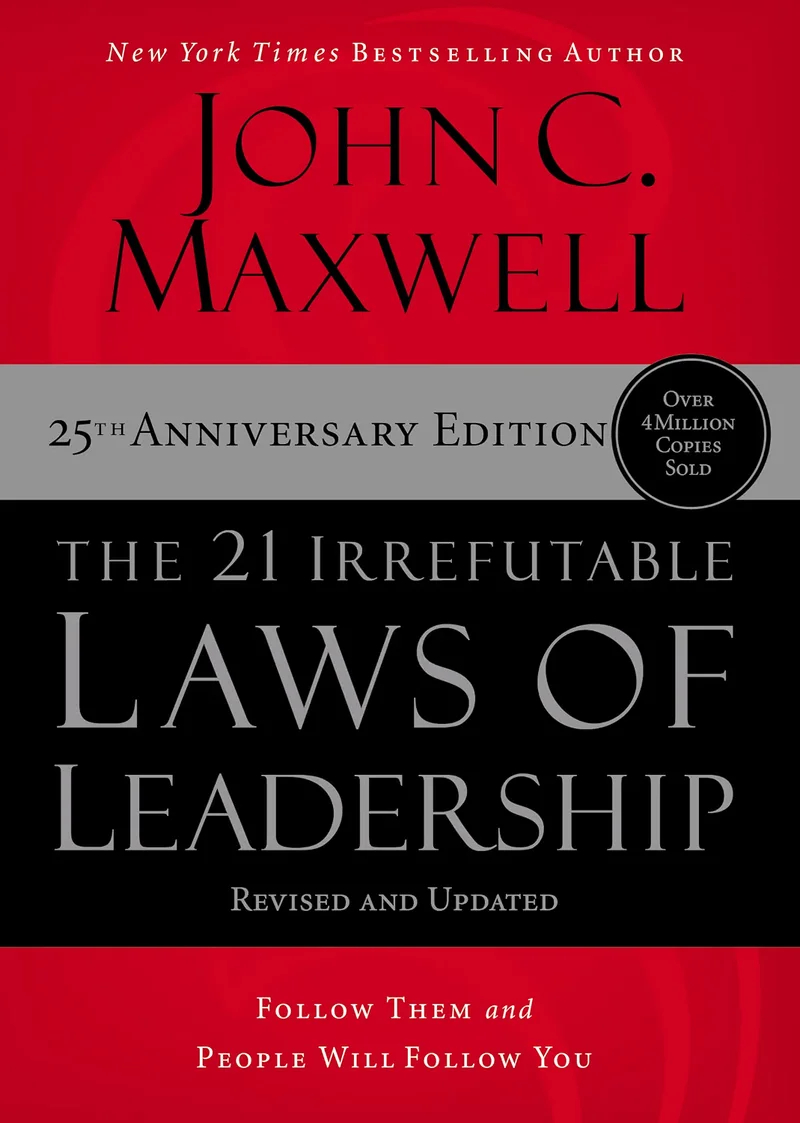
The 21 Irrefutable Laws of Leadership

The 21 Irrefutable Laws of Leadership

by John C. Maxwell

Maxwell's “21 Irrefutable Laws of Leadership” is a very in-the-trenches leadership manual, and that's why I love it. It boils the topic down to 21 simple principles for getting people to follow you: real influence, credibility, consistency, momentum, priorities, team, timing, and the ability to develop other leaders. The message is direct: leadership is measured by results and followers, not by title; if you don't build trust, culture and lift others up, you're managing, not leading. Useful as a checklist and shared vocabulary for middle managers, but more formula than science; without context it can become “motivational” leadership without rigor. It's powerful as a practical frame grounded in observable behaviors, hard feedback and performance metrics.

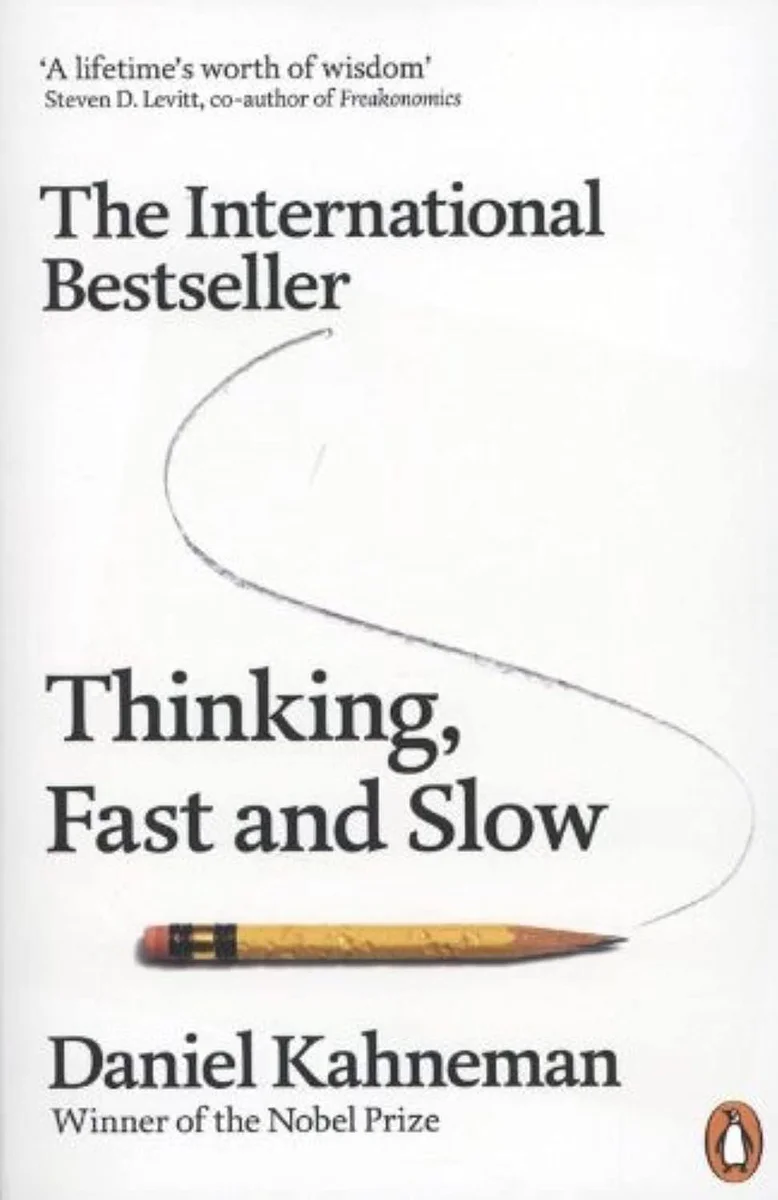
Thinking, Fast and Slow

Thinking, Fast and Slow

by Daniel Kahneman

Kahneman's “Thinking, Fast and Slow” is an uncomfortable book — maybe that's why I loved it — because it shows that your mind isn't a rational machine: it's an efficient one that fails with style. Kahneman explains two modes of thinking: System 1, fast, automatic and intuitive (the default decider), and System 2, slow, analytical and costly (which should audit but usually arrives late). From there he shows how we fall into predictable biases — anchoring, availability, overconfidence, loss aversion, halo effect — and why they affect decisions, investment, talent, risk and strategy. The real value isn't “knowing the biases” (everyone does); it's accepting that you are vulnerable even when you think you're an expert.

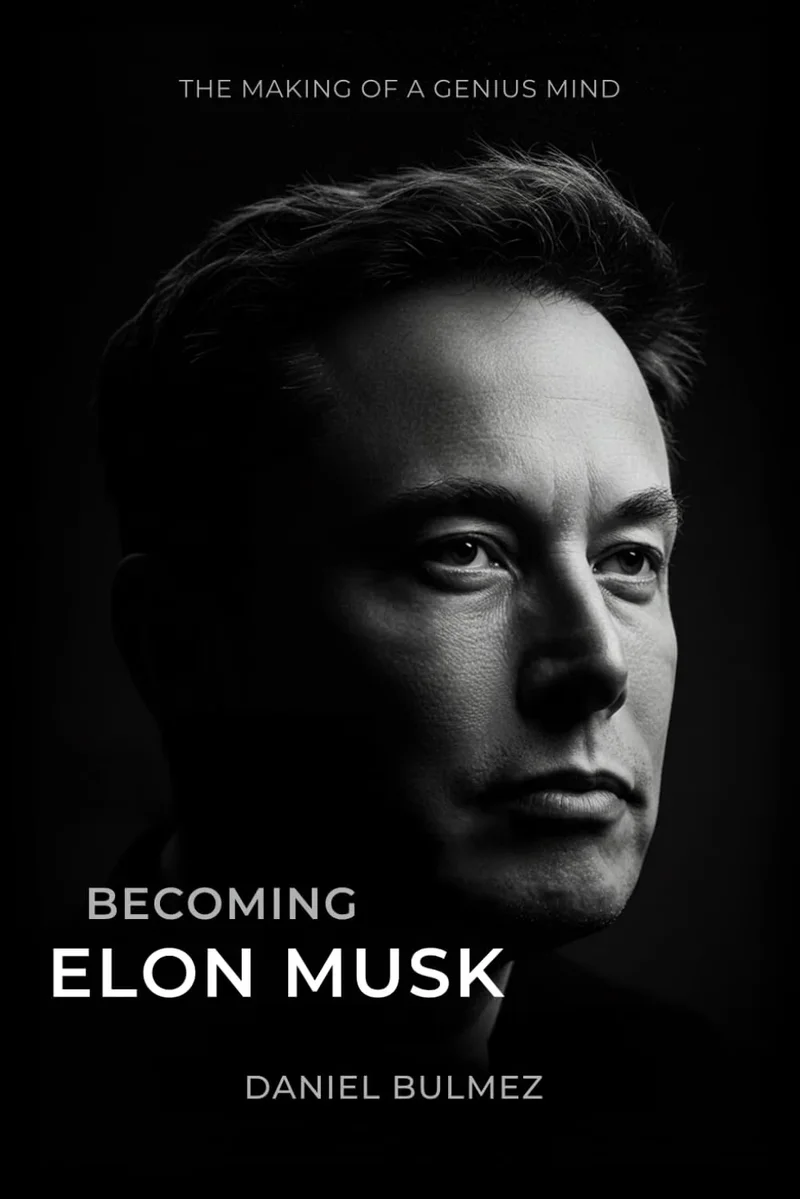
Becoming Elon Musk

Becoming Elon Musk

by Daniel Bulmez

“Becoming Elon Musk: The Making of a Genius Mind” (Daniel Bulmez) is an inspirational/analytical book that tries to dismantle the myth and explain what lies behind Musk's way of thinking and executing: first-principles obsession, extreme risk tolerance, oversized ambition, brutal focus on engineering and speed, and a “genius mindset” narrative applied to big goals. It isn't a hard journalistic biography; it's more of a map of traits, habits and patterns (with replicable lessons) so the reader can translate that logic to their own life or project. I read it out of curiosity and found it useful as an execution-and-mindset framework — dangerous if taken as a recipe or if you romanticize behaviors that, in a real corporate setting, can break teams and governance.